

Gardening With Biochar
The Ancient Secret That Builds Living Soil, Permanently

Biochar: The Missing Link For Organic Soil
Somewhere in the Amazon rainforest, scattered among soils that should be poor and exhausted, there are patches of earth so extraordinarily rich that scientists couldn't explain them. Dark, deep, and teeming with life, these soils have been producing abundant harvests for over two thousand years, with no fertilizer, no chemicals, and no sign of slowing down.
The locals call it terra preta. Black earth. And the secret ingredient, buried in those ancient soils, is biochar.
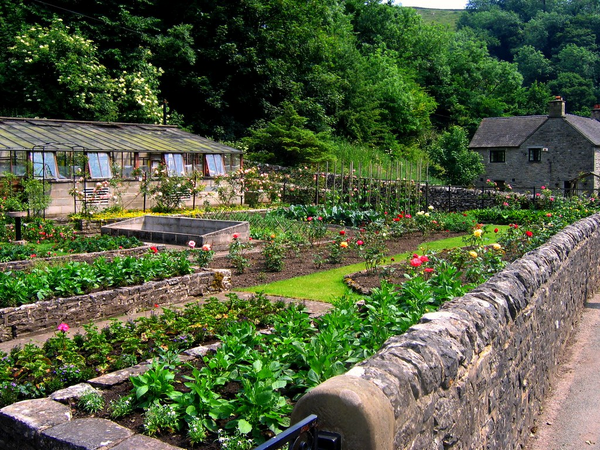
What If Your Soil Could Feed Itself?
Most of us were never taught what soil really is. We were taught it's a growing medium, something to hold plants upright while we feed them from a bag. Nitrogen, phosphorus, potassium. Add water. Repeat every season, forever.
But that's not how healthy soil works. Healthy soil is alive. A single teaspoon of it contains more living organisms than there are people on Earth, billions of bacteria, meters of fungal threads, microscopic creatures working around the clock to cycle nutrients, protect roots, and build fertility that compounds year after year.
Biochar is the foundation that makes all of that possible. Not for one season. For centuries.
Not Just Another Soil Amendment
Biochar looks unimpressive, a lightweight, crumbly, charcoal-like material. But inside each piece is something extraordinary: a microscopic labyrinth of pores and channels with more internal surface area than a football field in a single cup.
That structure becomes permanent housing for the microbial community that will transform your soil. Protected spaces where bacteria thrive, fungal networks establish themselves, and the invisible workforce that feeds your plants can flourish without the constant disruption of chemical inputs, drought stress, or season-to-season depletion.
What you add to your garden this year will still be working when your grandchildren tend that same soil.
One Critical Detail Most Gardeners Miss
Raw biochar added directly to soil can actually work against you, temporarily pulling nutrients away from your plants while its empty pores fill. The key that unlocks everything is inoculation: charging your biochar with compost, worm castings, or other living organic matter before it ever touches your garden.
This is what the ancient Amazonians understood intuitively. It's what the science confirms today. And it's what makes the difference between disappointing results and a garden that surprises you every single season.
This Is Where Your Garden Changes
The Biochar Project exists to give gardeners the full picture, the science, the history, the practical how-to, and the honest answers to questions most biochar resources skip entirely.
Whether you're just hearing about biochar for the first time or you've tried it before without the results you expected, you're in the right place.
Start exploring:
- What Is Biochar? The Complete Beginner's Guide
- Why Inoculation Is Everything
- Terra Preta: The 2,500-Year Proof
- How Much Biochar Does Your Garden Actually Need?
- The Microbial City Living Inside Your Soil
The soil your garden grows in today doesn't have to be the soil it grows in tomorrow. Build it once. Build it right. Watch it transform, and keep transforming, for the rest of your life.
